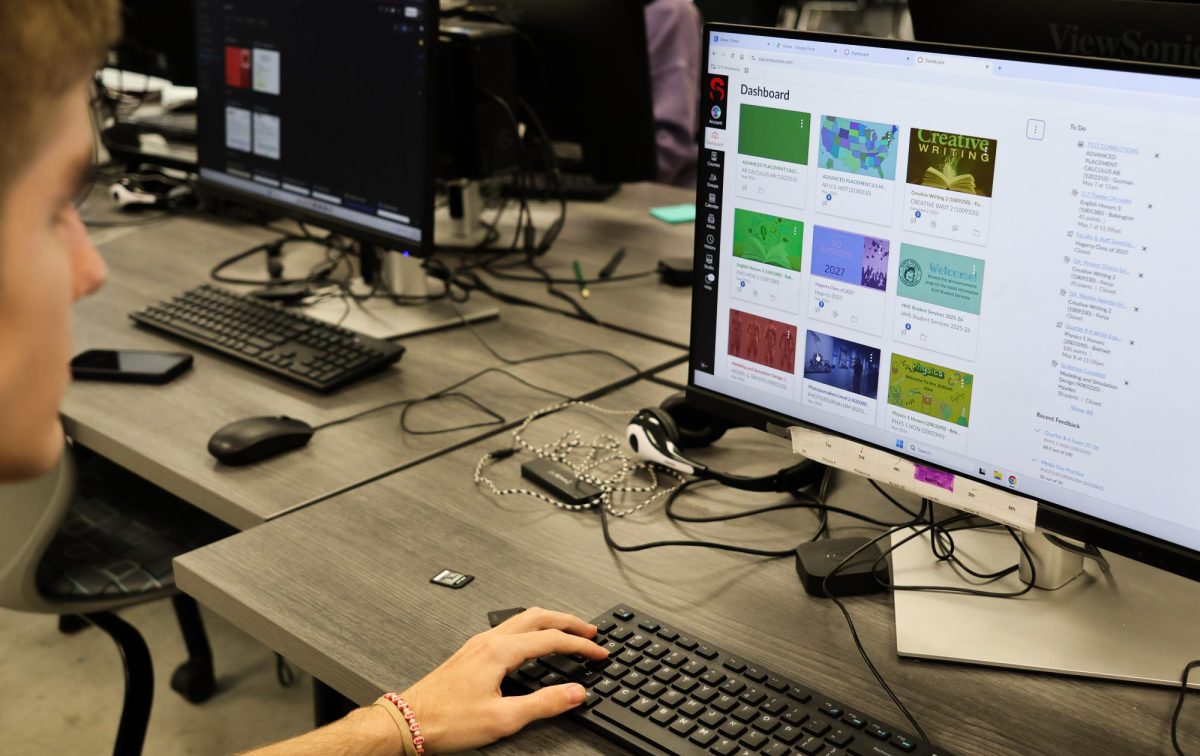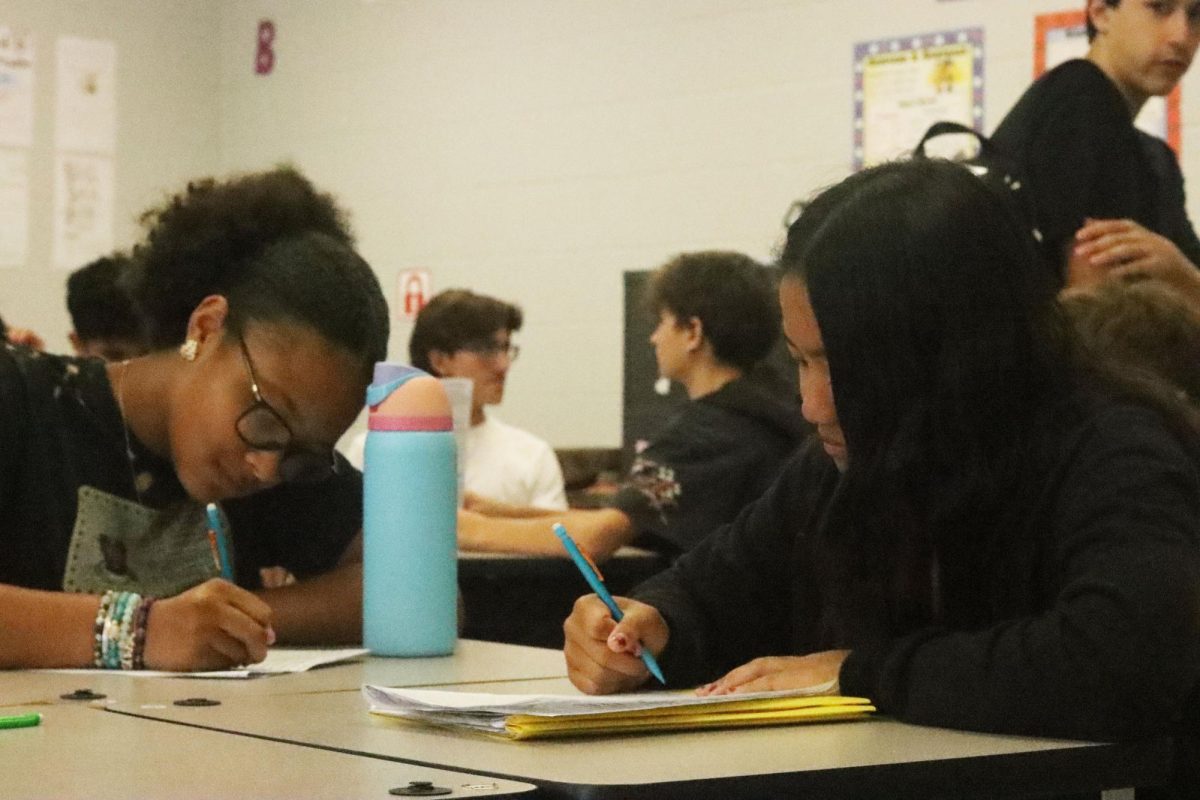
When it comes to modules, assignments and due dates, eCampus is often the first thing that pops in students’ minds. The educational website, through its many years of use, has proven to be a pillar of technology in class. But what happens when this pillar cracks, or goes missing altogether?
Even though the website is known as eCampus at school, the company that manages it is Canvas, who outsources servers to Amazon. Tasks like data storage, computing user requests, networking and more are all provided by Amazon’s product Amazon Web Services.
Throughout the months of October and November, students and teachers alike faced difficulties accessing the website due to a server malfunction by Amazon Web Services. When logging in to their school account, the majority of students and staff were unable to access their classes, lesson plans and assignments.
IT specialist Michael Siudak weighs in on the issue, highlighting how recent and unique the new shutdowns are in posing as an inconvenience to the school.
“There’s never been a lot of different outages [like] this year that have caused a lot of slowdown and interruption to the learning environment,” Siudak said.
The problem has happened several times, with the worst instance happening during a day-long shutdown in the middle of November. The repeated issue of students not being able to work and teachers not being able to grade is a growing cause for concern.
Junior William Cooper is one of the many affected by the inconvenience, who ended up having to sacrifice what would be sleeping hours in order to meet deadlines.
“[The shutdown] made me have to push off assignments until later, overnight, when it actually allowed me to do them again,” Cooper said. “[It] really ticked me off.”
For many students like Cooper, the most recent shutdown meant another reason to stress about getting assignments in on time, even down to the last moment. Others, however, had no such trouble.
“[I was] stopped from doing a lot of things that I needed to. But it was also kind of a plus,” freshman Alene Tokevenko said.
The relief from the workload of high school was a temporary benefit to many students; yet as time went on, expected consequences of the system error led to unwanted outcomes.
“[Even though] it kind of postponed [classwork] in a sense, it set me back in a lot of my classes,” Tokevenko said.
AP Computer Science Principals teacher Laura Ramsey was one of the staff members that was hit the hardest. Teaching a class fully dependent on technology, planning lessons and guiding her students proved challenging among the faulty servers.
“Everything that I teach involves technology,” Ramsey said. “They had to pivot from going to eCampus to re-read the assignment to reading solely what was on the board and what I verbally told them. Usually, eCampus is their go-to guide for initial questions.”
Outside of class, Ramsey acknowledges how essential eCampus is to students.
“Students often will take five or ten minutes while here to look at eCampus to check their grades and assignments for not only this class, but all their classes,” Ramsey said. “[The shutdown] was highly frustrating for them.”
After a long period of minimal trouble regarding eCampus, this continuous problem is unique from anything seen in the past. Technical difficulties causing disruption and threatening educational time is a large concern for teachers like Ramsey.
With modern education being dependent on technology, computers, websites and the internet, it is only natural for instruction to break down when one of these fall short. Despite the setbacks, Ramsey reports the development wasn’t completely harmful. The shutdown encouraged students and teachers to find creative workarounds that allowed them to complete work in ways not done before.
“I only had to come up with new lessons for a couple of classes. Thankfully, I have backup lessons usually available. I put a couple of classes on shorter-term projects,” Ramsey said. “It forced me and the students to think more out of the box.”
Even though the issues affect many students and teachers, there is little the school can do to improve third party servers and reduce errors faced on the website.
“I think we will definitely continue to see issues. It’s just [about] having a backup plan and being ready for them,” Siudak said.