What if Santa Claus actually exists? And he is a teen?
Everyone knows that on Christmas night, Santa Claus will ride a flying sleigh carried by reindeers, bringing presents to every kid’s ho
use. He is mostly portrayed as an old and wise bringer of joy to good kids, but what if Santa Claus was really a child himself?
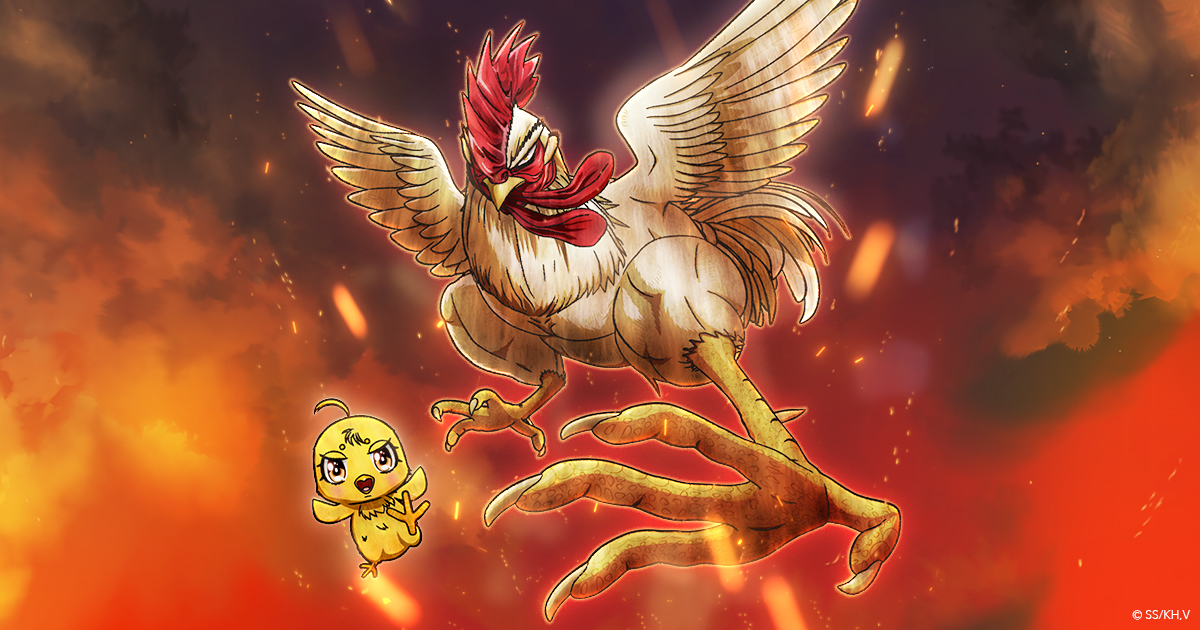
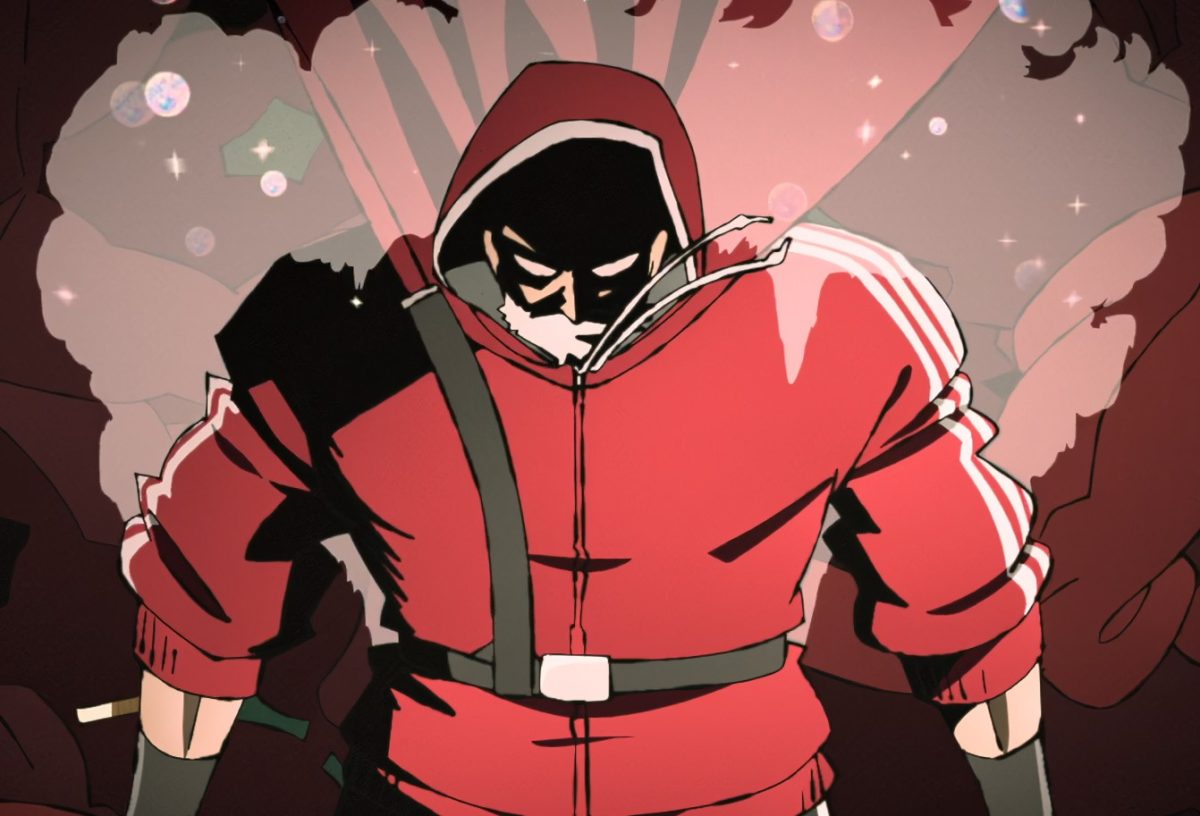
“SANDA,” by Paru Itagaki, gave this concept a shot. Adapted from its manga version, it was produced by Science Saru, and released from October to December 2025.
This anime takes place in Japan, 2080, when the nation is facing a radical decrease in birthrate, as well as a series of judicial and cultural crises around childhood. Kazushige Sanda lives under this society, but his family passed down a trait to him: that he can turn into Santa Claus. He uses his ability to help fulfill his classmates’ requests, known as “children’s wish to Santa Claus.”
This anime has gained attention for not putting emphasis on the traditional Christmas narrative, instead focusing on Santa Claus helping children.
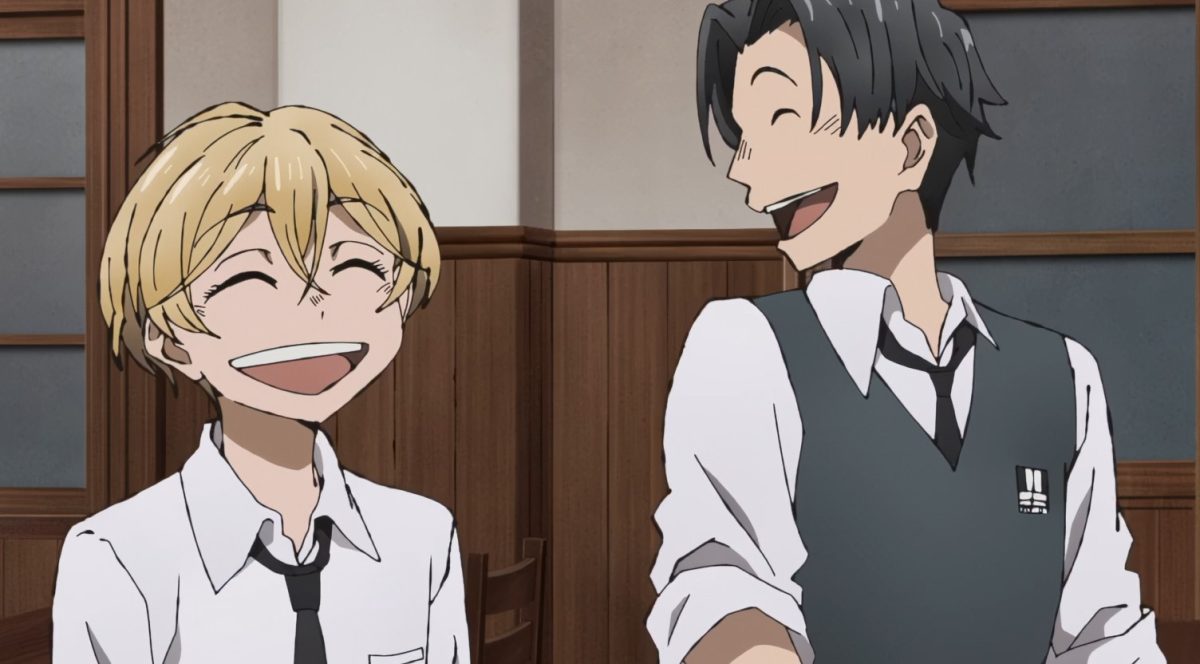
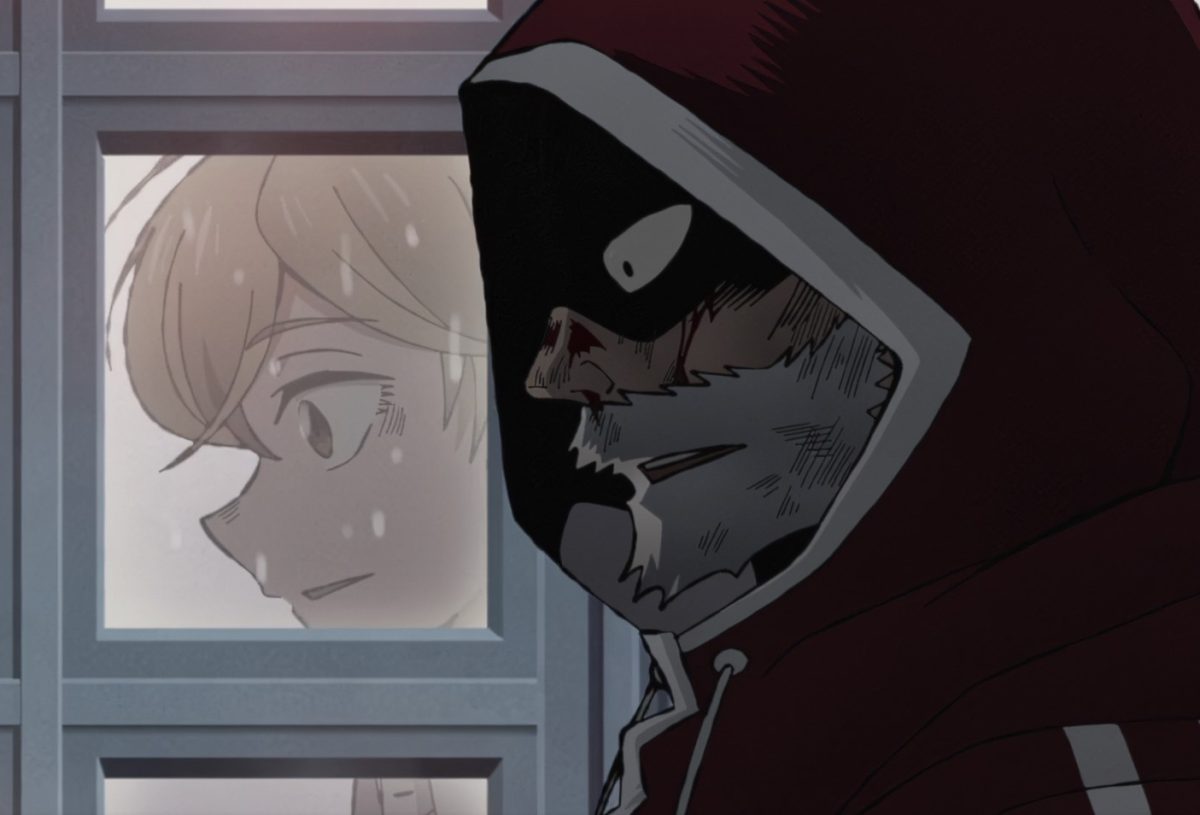
Rather than focusing on how Sanda helps his classmates using his power, making wishes come true and how he would live in a world like this as Santa Claus, the story centered around Sanda’s 15-year-old inner self, experiencing puberty, developing romantic feelings towards classmates around him and messing around with friends. But when he turns into Santa Claus, he’s not himself anymore, but a 60-year-old adult who can only love children as one who provides for them. There’s a considerable portion of the whole anime showing Sanda’s awkwardness around his identity, which is pretty detailed and interesting but dragged the whole plot a bit. The later story, which features Santa Claus fighting against violent kids (the child protection law stated they have the freedom to kill adults), has a relatively low portion of screen time, since most of the show is occupied by the previous part.
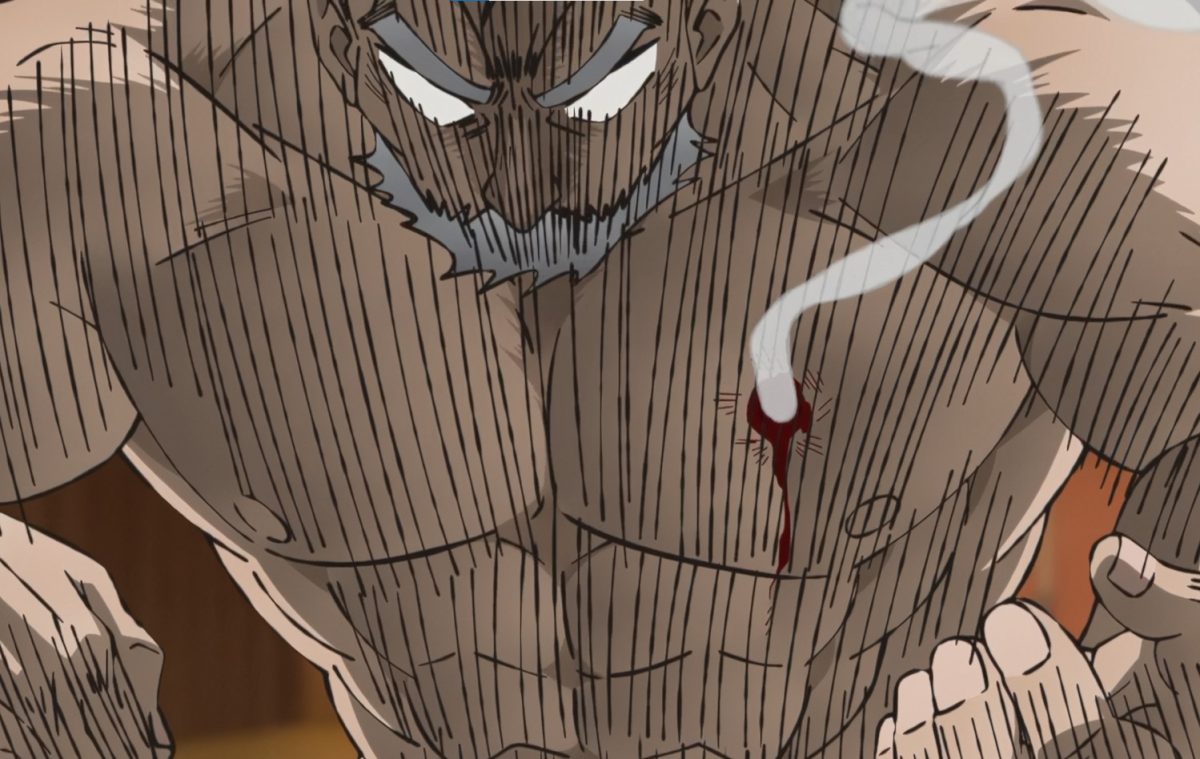
The anime could be called a dark tale. And it could definitely be interpreted very differently by people. It includes bloody content such as guns and knives that increase its strangeness level immensely, and these things were one of the reasons why it’s a “dark” tale. It’s definitely not enjoyable to see bullets shooting out and blood flying out but it’s more direct and brutally realistic.
Setting the story in a time of transition from children developing to adults is even more ironic, since those children taking advantage of their status are going to be taken advantage of soon.
Overall, “SANDA” is an interesting anime for setting and story, but it’s hard to not to see it as a bit strange. It is unique from other anime in many ways, including bringing in firearms as one of the seeable weapons used in fight scenes. However, it did great balancing a deeper message about age and transition of life stage. It’s highly recommended for those who would enjoy a 12-episode-long but exquisite show, but not quite for those who have a high standard on art style, or don’t enjoy anime that are quite this absurd.