From an outside perspective, looksmaxxing looks just as toxic as the mainstream media suggests: insecure young men obsessed with appearance, online misogyny, dangerous cosmetic shortcuts and unrealistic beauty standards. Of course, this stereotype is traceable, but judging the entire looksmaxxing community through sensationalized examples often results in a distorted, exaggerated picture of what most of the community actually is.
One of the biggest names tied to looksmaxxing culture is Clavicular, real name Braden Eric Peters, a looksmaxxer known for extreme self-improvement rituals. Many see him as egoistic, and chastise him for promoting more extreme methods of maximizing appearance. Since he has a significant and controversial online presence,many people treat him as the face of the looksmaxxing movement. The people who get attention online are usually the most outrageous, and not those at the middle of the bell curve. Clavicular may be influential, but he represents the entirety of looksmaxxing about as much as a shirtless “motivational podcaster” represents everyone who works out.
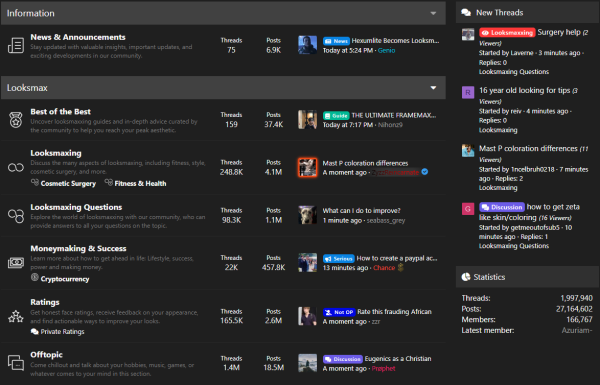
At its core, on the original website, which was acknowledged by the UK Parliament as the earliest and largest influencing looksmaxxing forum, looksmaxxing started as a way to give people an awareness of their looks, and an objective to reach– with methods of how to reach that appearance objective. That can include fixing posture, improving skincare and style, whitening teeth, teaching what trait will attract women that does not look like a personal mistake, or learning to carry yourself with more confidence. In many cases, it is just ordinary self-improvement.
Undeniably, looksmaxxing has the extreme and negative parts. This includes drug abuse, doing ridiculous things like physically assaulting your face and injecting unnecessary things to achieve aesthetic goals, or influencing young people who didn’t form their own values of life. This results in long-term harm to individuals and the new generation, so criticism on these practices are reasonable and deserved.
Not all of looksmaxxing is ethical, but taking the greater context into consideration is important to understanding the problem the movement was made to solve. Looksmaxxing did not appear because millions of people randomly woke up and decided to start boxing their cheekbones; it grew because modern life increased the value of appearance.
What is worse than blindly following the Looksmaxxing trend is to reject looksmaxxing entirely without understanding its origins and its purpose. People’s experiences can really differ as they do in all communities. But looking on the moderate side, it just basically questions and answers not just about your face, but getting the “maxx” out of everything: moneymaxxing, socialmaxxing, lifemaxxing.
The moderate version of looksmaxxing—focused on health, confidence, and realistic improvement—can actually help people feel more in control of themselves and give them ambitions to improve. The point of trying to looksmaxx is not about falling into a crazy influencer level of obsession and neglecting your health, but to keep your own values, and realizing how you can improve, or “ascend.”