Many young entrepreneurs start their businesses with spreadsheets, websites and long-term goals. But junior Avery Clegg started hers because she was bored over the summer, and because of a tiny plastic figure pulled from a blind box.
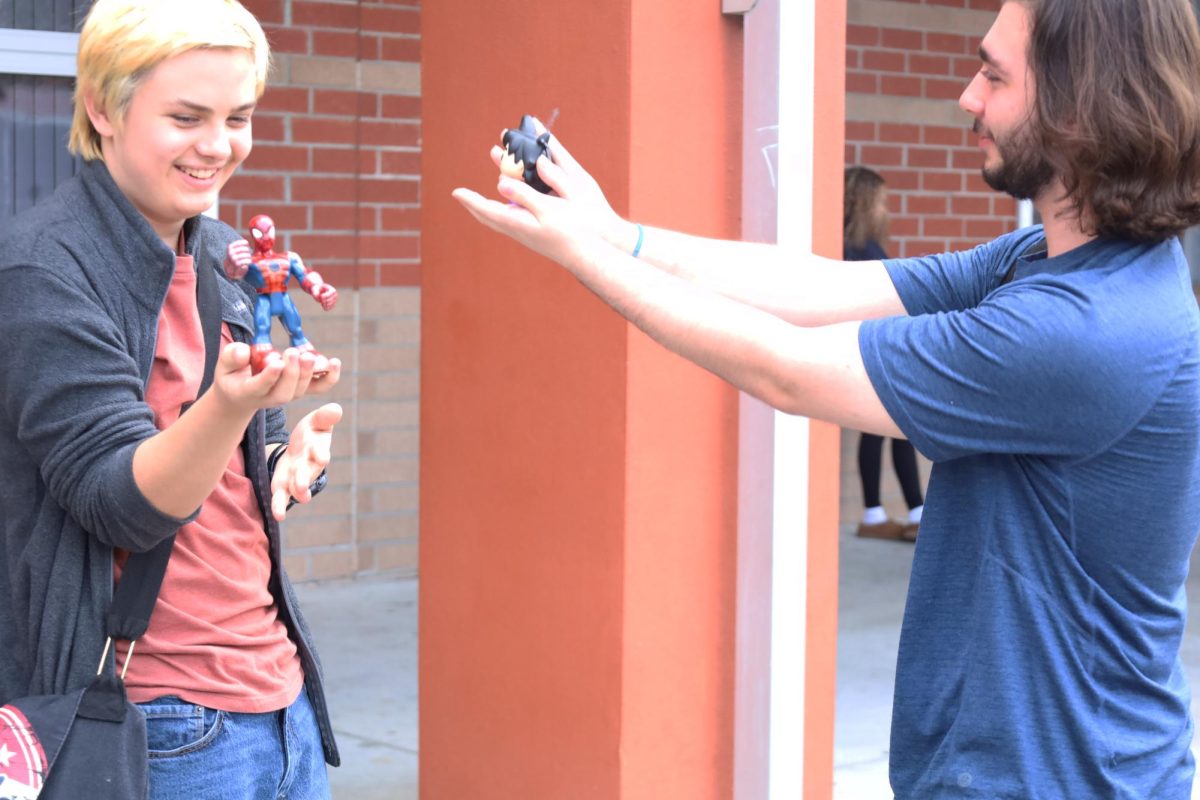
Sonny Angels, cherub-like figures sold in sealed blind boxes, have exploded in popularity on social media, with unboxing videos racking millions of views. The element of mystery and surprise that comes along with blind boxes has created a trend, as well as an opportunity.
Clegg first came up with her business idea after encountering the collectable figures online. Seeing the suspense that surrounded the figurines, Clegg took the opportunity to repurpose them.
“I saw [Sonny Angels] online, and thought, ‘That’s such a cute idea,’” Clegg said. “So then I just took it, and made it something else.”
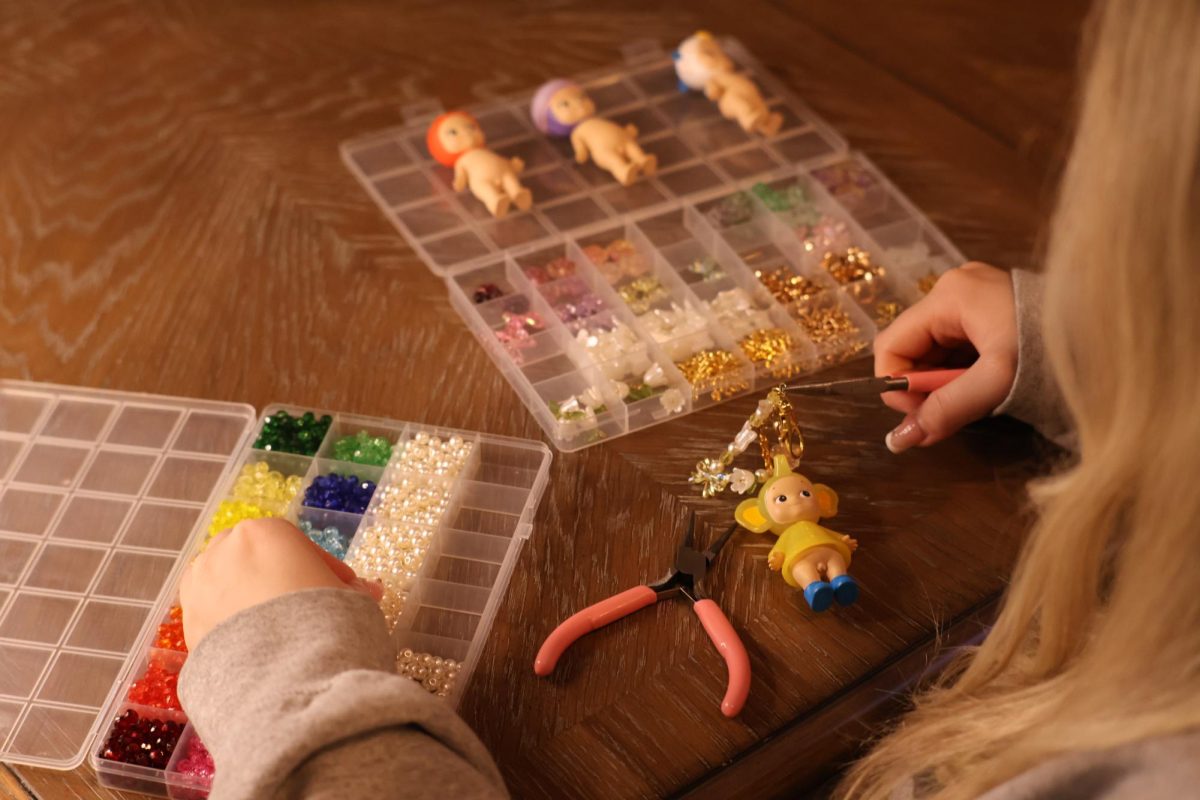
Unlike many collectors, Clegg did not start with collecting Sonny Angels, instead jumping right into selling. Spending $100 on the initial materials, Clegg began experimenting with her personal style, drilling holes into the Sonny Angels, adding beads and creating unique keychains.
“I bought my stuff from Shein,” Clegg said. “I just took a little screwdriver and drilled the hole, and went from there.”
Sonny Angels themselves can be expensive, ranging from $20-$100, depending on the rarity. Instead of buying them directly, Clegg wins them at an arcade.
“There’s an arcade, and I played for them there instead because buying them is really expensive, and I didn’t want to have to spend that much money,” Clegg said.
Clegg chose to sell her keychains on Depop, a popular resale app, with prices ranging from $15-$30. While reselling is an enjoyable pastime for Clegg, starting her own shop was intimidating.
“I was really scared I was going to get scammed,” Clegg said. “People want to trust trades, or they give you the wrong address. I have to make sure they actually buy it and it’s a valid address, and then I ship it out.”
One part of running a Depop shop that is often overlooked is the presentation.
“You have to take really good quality photos of your stuff,” Clegg said. “If they’re bad photos, people are just going to swipe right by them.”
While she did not make much money at first, sales eventually became consistent.
“I didn’t make a lot at first, but now, I probably make, just by making them for fun, around $100 a month,” Clegg said.
In addition to selling Sonny Angels, Clegg also sells Labubus, Smiskis and Lila Lucky Cat plush’s, all other blind-box figures.
Despite the income, Chegg does not see herself pursuing entrepreneurship long term.
“It’s fun, but it’s easy to forget about,” Chegg said. “I like selling them and getting money from them, but I just don’t see myself doing it in the future.”
While many others chase business plans and profit, Clegg’s business venture grew out of a trend—proof that a popular toy can be enough to start something that sells.