In an era where all media and intellectual property gets gobbled up by the same few mega corporations, the idea of another business juggernaut looking to acquire Warner Brothers should not be turning any heads. Disney buys ESPN, then they buy HULU. So what’s new?
However, the war for Warner Bros. is even more disturbing than the “normal” corporate media takeover.
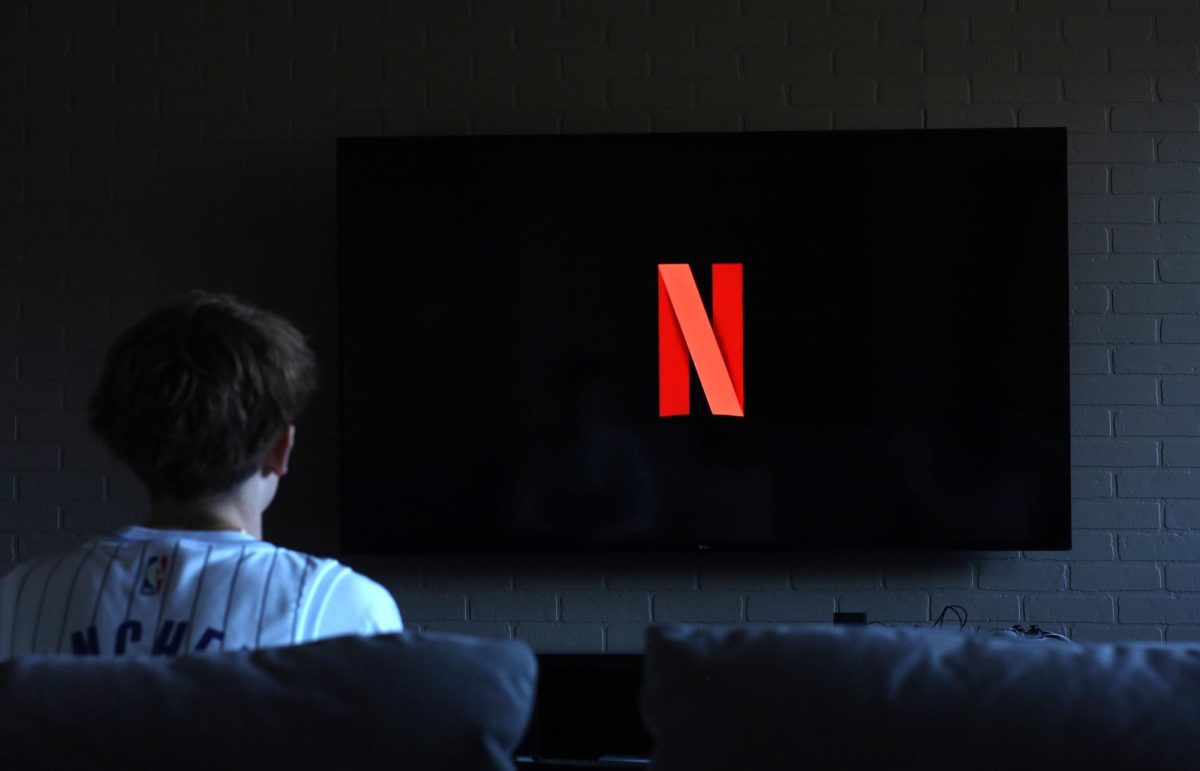
On Dec. 5, Netflix put out the offer to acquire Warner Brothers Discovery’s streaming and studios division. This would land them the film studio with all of its intellectual property such as Batman, Harry Potter and other famous media, along with its streaming services like HBO Max. Netflix’s offer? $83 billion.
If this were the end of the story, it would have been disastrous enough. To effectively combine the two biggest streaming services under one platform and have Netflix absorb all of the company’s media would be detrimental to multiple adjacent industries and their respective consumers. For one, the competition for streaming websites would be narrowed significantly, and essentially reduced to a battle between Netflix and Disney. This could lead to price gouging due to the lack of competition. Secondly, the movie theater industry would be in even greater danger than it already is, as Netflix’s CEO expressed immediate interest in limiting theatrical releases, instead pivoting to a more streaming-focused timeline.
Clearly, Netflix was among one of the worst possible buyers for Warner Bros, as their direction could further damage the longstanding movie theater experience, one that had already been crippled due to the COVID-19 pandemic. Could this acquisition serve as the final blow to the beloved theater experience of congregating with popcorn and candy in hand to see releases on the big screen?
But there’s always a bigger fish.
On Dec. 8, Paramount announced they were looking to buy Warner Bros. Discovery for $108 billion. And they weren’t just coming for the studio and streaming division—they would be coming for it all. This would include their Global Linear Networks division as well, which includes all of their TV and news broadcasts such as CNN.
And the strange thing was, it was not even Paramount’s idea.
Before the offer was made public, incumbent U.S. president Donald Trump spoke to Larry Ellison and Jared Kushner about WBD. The two are major financial supporters of Trump. Then they, among others, launched the aggressive takeover for Warner Brothers Discovery. And very quickly, their motives became clear.
Ellison’s son David is the CEO of Paramount, and his motives immediately proved to be questionable from a creative standpoint. In short, Ellison has gone public speaking about his wishes for Paramount’s direction, saying he wants to focus on traditional “middle American” views in the company’s media. Rather than spotlighting all views and stories, he has elected to steer the stories in the direction of his own, and perhaps the government’s too. In turn, this could easily lead to the heavy erasure of marginalized groups in media, instead favoring whoever the administration wants to represent.
Meanwhile, Kushner is married to the president’s daughter, and if he were to acquire Paramount, it would in turn prove to be profitable to the Trump estate. Secondly, Paramount’s acquisition of Warner Brothers Discovery’s GLN division would land them CNN, a cable news network that opposes the president and his administration. Therefore, little would be in the way of outright gutting the network.
Between Netflix and Paramount, there is no ideal answer for who should have their way with WBD. No one is really innocent here. But the scales must tip eventually, and the best direction has become clear.
Netflix has expressed no desire to steer Warner Bros.’s creative output in one way or another, and the biggest casualty would be turning the cinema experience into a more streamer-friendly environment, which could seriously prove to be a bad decision for them monetarily, as it would effectively eliminate a major industry.
From a consumer perspective, it becomes a war between bad financial decisions and bad creative decisions. And Netflix isn’t in deep with the government, unlike Paramount, whose involvement with the president raises serious ethical concerns.
Therefore, as citizens, we must recognize that a reality without cinemas is far better than one in which we are spoon-fed government-controlled news and entertainment. The truth is that the president and his administration have no place in this takeover, and their presence in general highlights a serious problem with today’s government. The issue of mega corporations constantly slashing the competition with aggressive buyouts is bad enough, but at the very least, Netflix isn’t in cahoots with the federal government. Paramount must not win this battle, no matter what.