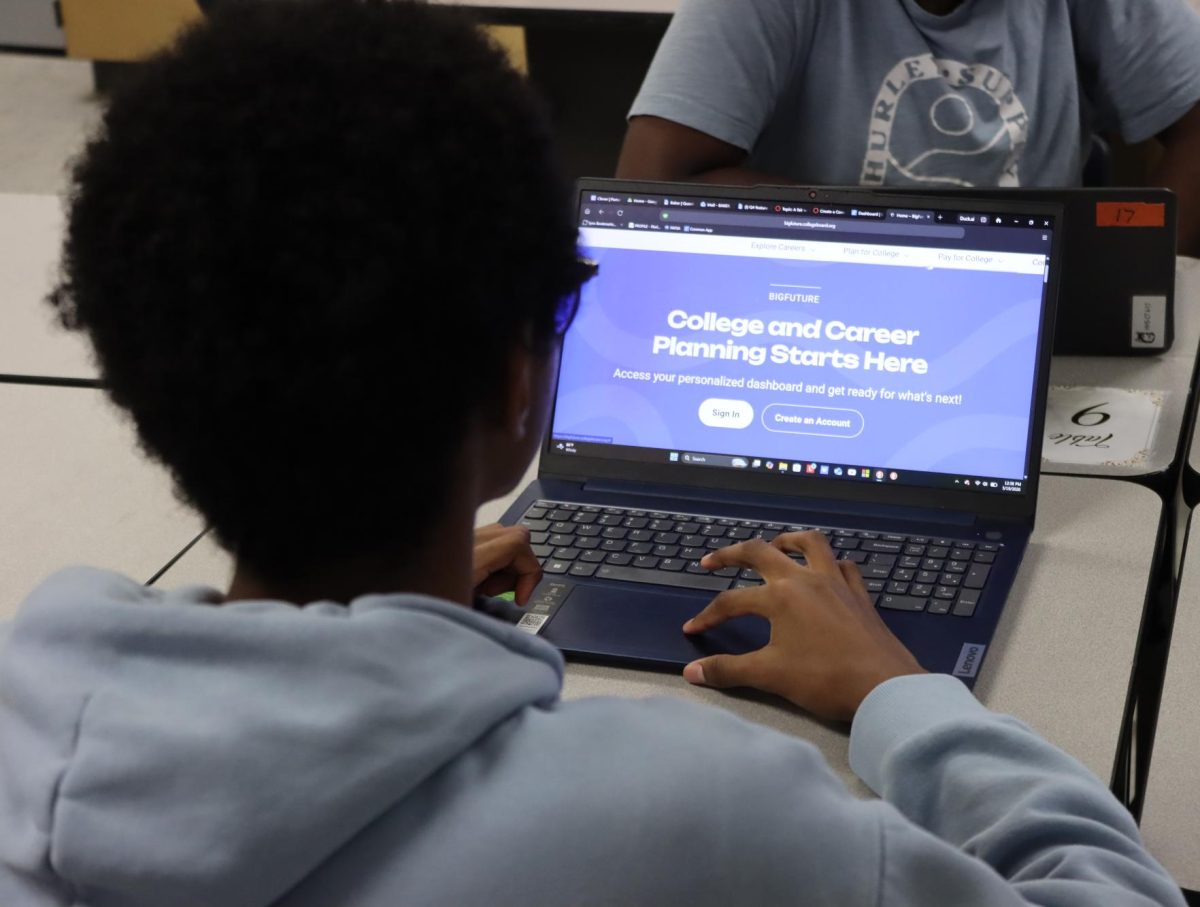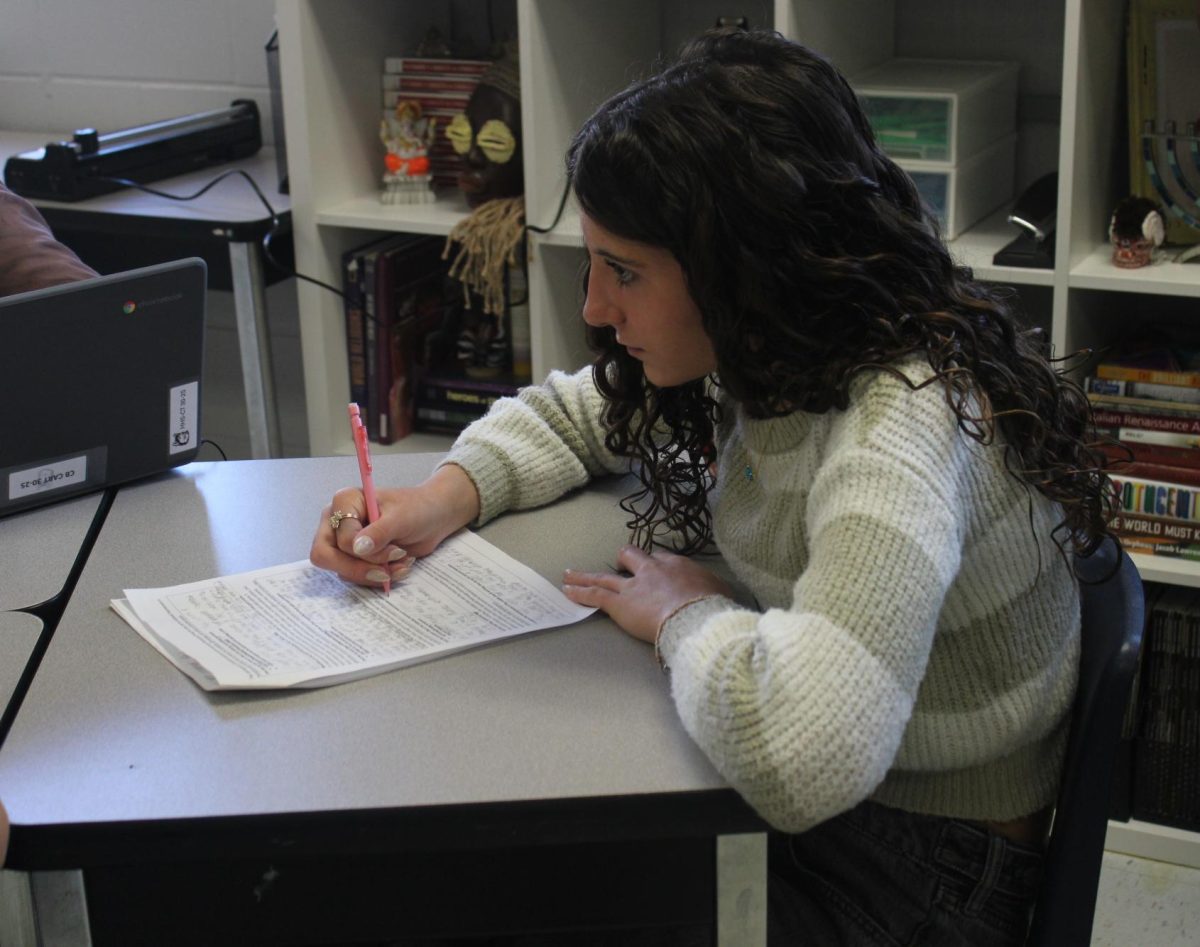
If you share this struggle, take in some advice to help pass those exams before it’s too late.
How can I make time for studying on a busy schedule?
From school to practice to work, it can be challenging to find time to study for final exams, especially when most students have one for each class.
Most students don’t have time to sit down for hours after school to study for end of year tests, so start by creating a schedule that works for you. Author Emma Gallimore from Penn Foster recommends making a study schedule that fits your everyday lifestyle and stick to it. Setting aside 30 minutes to study every day makes a huge impact, since it adds up by the time you have to take your test. Staying motivated and having the discipline is key to making the most out of your study time.
Gallimore also recommends getting a study buddy. Having a friend, sibling or parent with you keeps you motivated to study. The National Library of Medicine encourages a buddy system as it enhances retention by fostering accountability, reducing anxiety and promoting strong social cohesion among participants. Even if they aren’t focusing on the same topic as you, a buddy makes studying feel less lonely.
The next thing you can do on a busy schedule is prioritize. First, prioritize your academics. Although you may have to cancel a party or a time out with your friends, getting a 4 or 5 on that AP exam will be worth it in the long run. Next, prioritize your toughest classes. If you can recall the last 1000 years of history with a breeze, maybe focusing on a math concept you struggle with is more important to do in your free time.
“When I study, I prioritize my hardest classes,” junior Ayushi Patel said. “For example, for my AP Lang class we do reviews in class, so I prioritize APUSH and AP Chem at home.”
What are good study tools?
After weeks and weeks of learning new material that students need for their final exams, it is now up to you to retrieve and recall the old information to be able to get a good grade. Although it may feel like there are hundreds of formulas and vocabulary cards you have to memorize, using reliable study tools is a great way to prepare for testing.
First of all, doing practice tests allows you to simulate how a test may actually be. Online resources like AP Classroom and Bluebook both offer practice AP tests and teachers often supply mock exams on them.
An article The University of North Carolina recommends using distributed practice and mnemonics to help with memorization. By the end of the year, there are dates, people, concepts and vocabulary words that you need to have memorized, so with the use of these study tools, you will have a better recognition of the concepts once tested. Quizlets or handmade vocabulary cards are good ways you can execute these study methods.
Lastly, for those who are busy and don’t have much time to sit around and practice an hour-long mock exam, reviewing videos may be the best study method. YouTube channels like the Amoeba Sisters, Hielmer’s History, Mr. Sinn and Jacob Clifford are all great resources to watch when studying for exams.
“The night before an exam I just watch review videos,” Patel said. “By that time, I’ve done all my studying for a few weeks so I feel ready, so I just watch review videos to recap on everything.”
How can I do well on my exam?
A three-hour exam with a MCQ, DBQ, LEQ and SAQ sounds like a blast, doesn’t it? That’s what the AP World History students have to endure in order to earn the AP credit. The long exam is filled with stress and second thoughts, but staying relaxed and coming in prepared will guarantee a good score on any test.
The first thing you can do to do well on your exam is to prioritize yourself. Harvard Summer School recommends getting a good night’s sleep and eating a nutritious breakfast. Going to sleep early and not staying awake doom scrolling will benefit you during the day by minimizing stress and boosting confidence. And a good breakfast is a great way to fuel your body and mind for the exhausting tests you will have to take.
Freshman Julia Barone changes her sleeping schedule according to the test schedule. Usually, Barone heads to sleep at 10:30, but with a big test coming up, she pushes the time earlier to 9 p.m.
It is easy to get jittery from a glance at the clock and realize you don’t have much time left, but it’s important to stay relaxed and focused while taking your exam. Most AP exams don’t heavily penalize students for grammar or punctuation errors, so don’t stress about the tiny mistakes made during a writing portion. Managing time wisely to review your answers, not letting distractions get to you and focusing on your own screen are good ways to stay locked in during your exam.
“During an exam I really try to block out any noises and try to reach a flow state,” sophomore Hyewon Kim said.