Where are you going to college?
For this—the most common, most feared senior question—the answer is not always a university. Instead, many students choose paths like trade schools, culinary programs and military services—routes that offer a different kind of future.
While the traditional four-year college route has long been considered the “default,” more students are exploring alternatives that better align with more immediate, concrete goals—with apprenticeship program enrollment rising by 11% in 2024.
Trade schools, apprenticeships and military service all offer different structures and opportunities for students after high school. Trade schools focus on specific skills such as welding, electrical work, automotive repair or cosmetology, often allowing students to complete programs in one to two years and quickly enter the work force. Apprenticeships combine classroom instruction with paid, on-the-job training under experienced professionals. Military service provides structured training and career experience through different branches such as the Marine Corps, Army and Navy.
Each option offers a more hands-on approach to learning and can lead directly to stable careers.
Why students choose trades
For junior Jackson Cumming, the right decision was clear: rather than attending a four-year university, he plans to attend a welding program after graduation.
“I’ve always liked working with my hands,” Cumming said. “I took a beginner welding class last year and realized pretty quickly that it was something I could see myself doing long term.”
Welding programs typically take between several months and two years to complete, and lead to jobs in fields of construction, manufacturing and infrastructure.
According to the Bureau of Labor Statistics, the projected growth rate for various skilled trades jobs is anywhere from four to 60%, much higher than most other professions.
Junior Brionna Campbell also plans on taking a specialized path, hoping to attend culinary school after high school.
“I’ve loved cooking and baking ever since I was little,” Campbell said. “I’m passionate about it, and even though I like what I was going to major in in college, I know this is better for me, because it’s what I actually enjoy.”
Culinary programs offer focused training in cooking techniques, food safety, kitchen management and restaurant operations. Programs can take one to two years and can lead to careers in restaurants, catering, hospitality and even starting a personal business. Because many of these programs focus on specific training in a short amount of time, specialized classes are often the focus, and many lack the typical core classes and prerequisites that come with universities.
While this model allows students to quickly develop job-specific skills, it can also mean fewer opportunities to explore subjects outside of their chosen field. For students who value a wide range of academic experiences, that structure can be an adjustment compared to the traditional college model.
“[I feel like I’ll be missing out] because I’ll be focusing on cooking and not so much learning,” Campbell said. “Even if I’ll be taking other classes, it’s different.”
Prioritizing education
For other students, a structured path that includes education opportunities later on is part of the appeal—leading many to choose the military. Senior Aaron Harder has decided to enlist in the United States Marine Corps after graduation.
“I wanted something, a foundation, that could give me discipline and challenge me,” Harder said. “[The Marines] also offers opportunities for training and education later on if I wanted to pursue something like that.”
Many branches of the military provide benefits that help service members pursue college or other educational programs during or after their service. Programs like tuition assurance and the GI Bill can help cover the cost of college courses, allowing some service members to earn degrees with little to no student debt.
“Some people don’t think about education in the military, they think it’s all about training, but there’s actually a lot of opportunities if you want to go after higher education,” Harder said.
Exploring other options
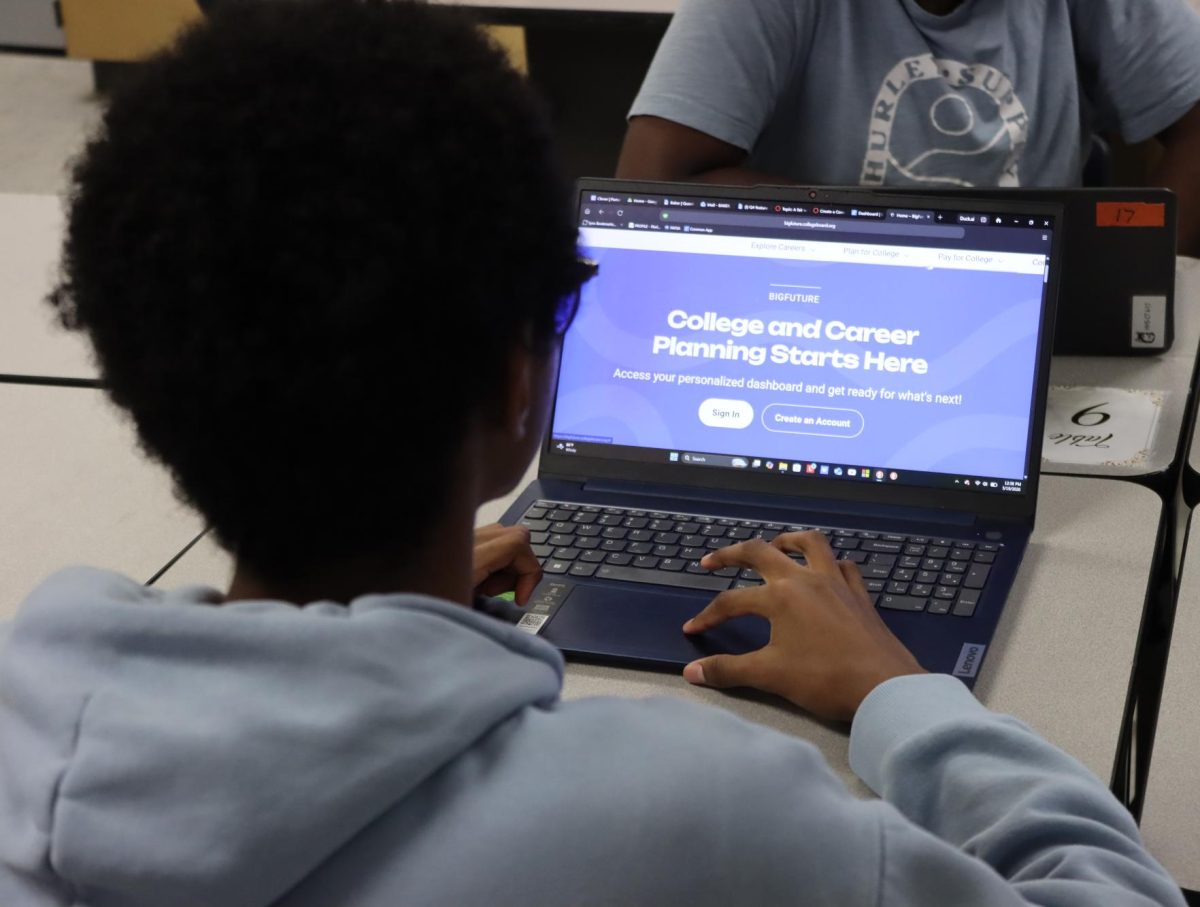
But even despite this increasing number of students choosing to pursue different paths after graduation, the support systems within high schools are often built primarily around college preparation.
“Everyone has to sit through taking the SAT, watching college prep videos, financial aid, even if you have no intention of going to college, it’s just the norm,” Harder said.
College and career counselor Andrea Fuhrer works closely with students exploring both traditional and alternative options.
“College is a great option for many students, but it’s not the only one,” Fuhrer said. “Trade schools and such are all great options that can lead students to stable, well-paying careers. Many people think college is their only option and that’s not the case.”
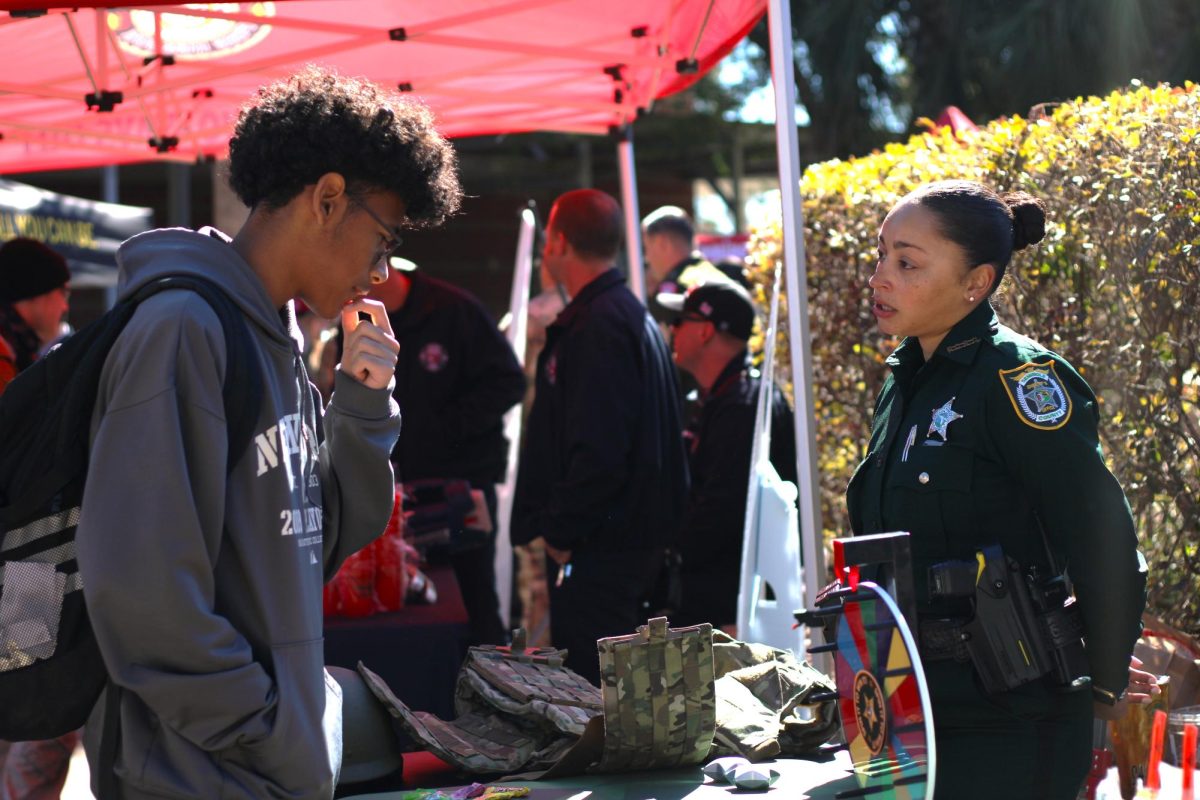
As the number of students pursuing alternative routes has grown, so have the resources available, with the college and career department putting more emphasis on connecting students with trade programs, technical schools and military recruiters. By inviting representatives to speak with students at college fairs and during lunches, students are able to explore programs they might not have previously considered.
“Our end goal is to see students succeed and send them out in the world as prepared as possible for a successful life,” Fuhrer said. “By pushing all these different options towards them, we’re hoping that they’ll take a good look at each unique one, and really think about which one would work best for them, because everyone is different.”
Cost is another factor which influences many students’ decisions. With tuition prices rising, some look for educational paths that allow them to avoid large amounts of debt.
“Certain programs run a lot cheaper than a typical four year college degree,” Cumming said. “Sometimes getting a certificate will only cost around $300. Meanwhile, going to college can cost upwards of $20,000, and those programs aren’t as specialized either.”
Despite benefits that come with choosing a nontraditional path, these alternatives often face misconceptions.
“For years, [my parents] tried to get me to look up how much people make and their salaries to try and ween me off, and for a little bit it worked, but I got back into it,” Campbell said. “There’s this idea that by choosing a less commonly taken route, you’re taking some kind of risk with your career and future, but I think it’s safer than going to college with no idea what you want to pursue.”
For students like Campbell, the decision ultimately comes down to following interests rather than expectations.
“People just assume college is what you’re supposed to do after high school,” Cumming said. “But if you already know what you want to do, it doesn’t make sense to spend four years figuring it out when you could be learning the actual skill.”
As more students consider trade programs, specialized schools and military service, the definition of success after high school continues to expand. For these students, the path after graduation may look different than the traditional college route—but it is one that will lead them towards meaningful careers and futures.