If you share this struggle, take in some advice to have a strong start for the 2026 year.
How can I keep my GPA high for the last semester?
With school picking up again, the only way to start fresh is leaving unhealthy habits in 2025. No more doom scrolling until midnight and drinking only an Alani for breakfast. The new year brings on new opportunities to change your past ways, especially in school.
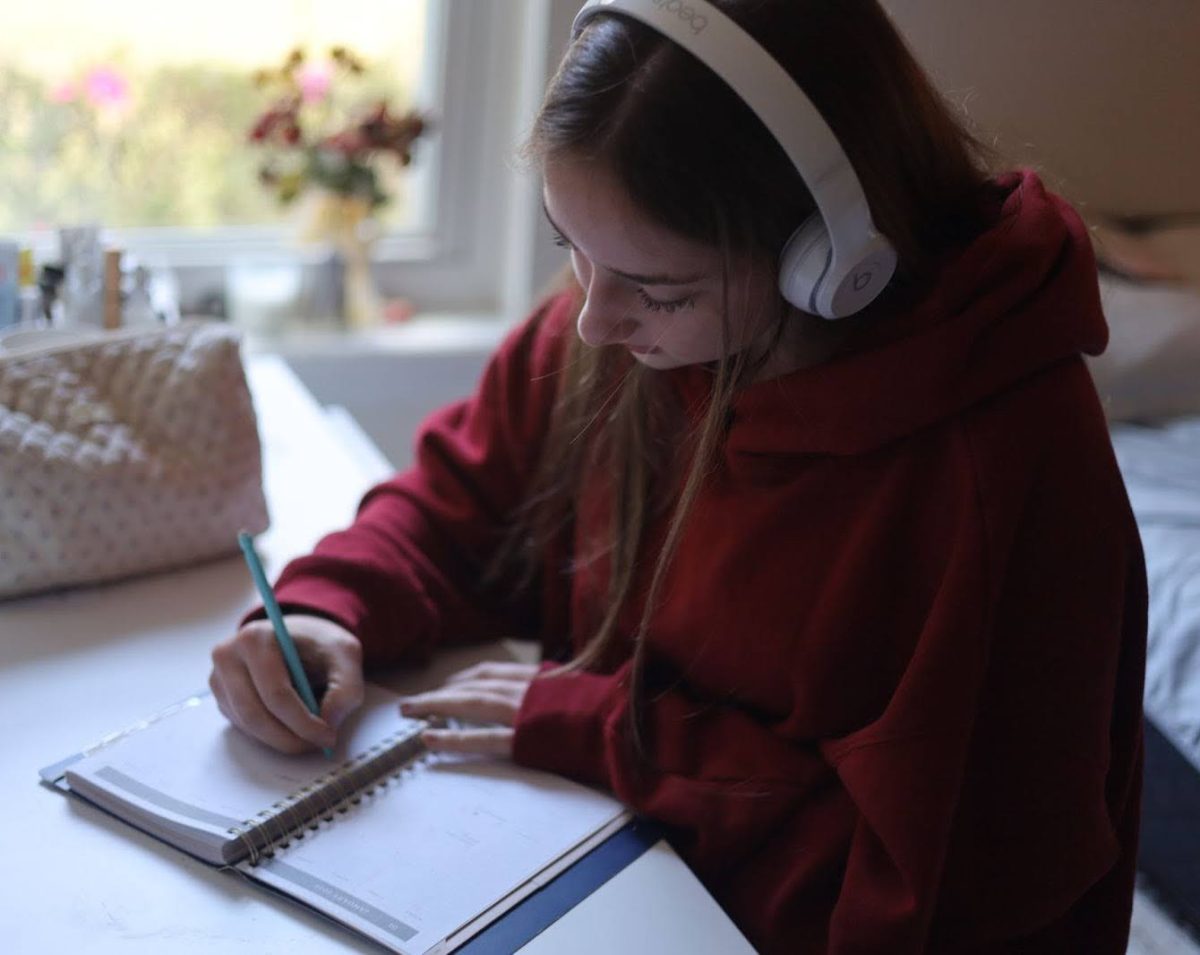
To start, purchase a calendar! ESM Prep advises keeping a calendar handy to stay up-to-date. Writing down when assignments are due, when sports games and other after-school events are and when you have school can help with a busy schedule. Having all this information in one place that is easy to get to is a great way to plan ahead and be ready for events to come.
“Last year I did get a calendar and I used it for a good month, but I started to forget to update it,” sophomore Zara Valencia said. “For me, I think just making smaller lists either on my phone or just on paper is easier to stay organized for shorter amounts of time.”
Online calendars work as well! Just having a spot handy where you can write down a schedule is helpful to stay organized.
Making sure you get enough rest and spacing out assignments is another good way to stay locked in for the rest of the school year. Sleep is very important because it allows for your brain to recover from the long day, and prepare it for more to come. Learning new things every day can be exhausting, so getting enough sleep will help with recovery. As the workload gets heavier in the second semester, it is smart to set aside more time to finish assignments compared to the first and second quarters.
“Getting to bed early is hard for me, especially having my phone next to me, but if I just put it away sometimes then I will be able to fall asleep,” freshman Zoe Spencer said.
What are ways I can stay fit and eat healthier?
Many students are also prioritizing developing a healthier diet and getting more exercise in this coming year. Although it can be difficult to balance with school, finding time to move your body and eating better are important to staying healthy.
Start by setting smaller goals such as getting a certain amount of steps in a day or eating enough fruits and vegetables every day. Medical News Today advises an average of 10,000 steps a day for weight loss. However, depending on your goal, the amount of steps or type of cardio may differ. For example, to improve strength and fitness, walking up stairs, walking with weights or walking at a fast pace are all great options.
“I’m going to stay fit by playing water polo and doing some strength training and cardio,” sophomore Nicole Cui said.
Secondly, improving your diet can lead to a healthier lifestyle. John Hopkins Medicine uses a plate infographic to represent all the recommended types of food that should be eaten in a day. On the plate, there is fruit, vegetables, grains, protein and dairy. An example of healthy meals eaten throughout the day can be of the following: avocado toast with a side of eggs for breakfast, veggie quesadillas with a side of fruit for lunch, and a rice bowl with veggies and a protein choice for dinner. And for snacks you can have yogurt, veggies and hummus, popcorn or cut-up fruit
“I can improve my diet by not snacking a lot during the day because it just fills me up when it’s time to eat a real meal,” Spencer said.
How can I save more money?
Saving money is an important responsibility to have, especially as students are approaching adulthood. It is easy to spend money; however, knowing how to put it away and focus on a long-term goal will help your savings immensely.
For those who work, the financial wellness group at University of Pennsylvania recommends using the 50/20/30 budget. In the system, 50% of your income goes to your needs, 20% to savings and 30% to wants. However, most parents pay for much of the needs portion, so more of that money can go straight to savings.
“I want to try to get a job so I can start saving up for a car and college, but I want to put most of my income straight into savings,” sophomore Amelie Hing Batista said.
On the other hand, not having a job doesn’t mean you can still save money. A portion, no matter how big, of any allowance, holiday and birthday money can be put into savings for the future.
Having a notebook, similar to a planner, can help track down your savings and reach an end goal. It can help divide how much you are able to spend and how much to save, depending on how much income there is. Seeing how much you are saving will give you the satisfaction to save more and more until you reach your target.
Don’t be afraid to send in some struggles you may also have to [email protected]. Others may share them too and it is okay to ask for some advice!